

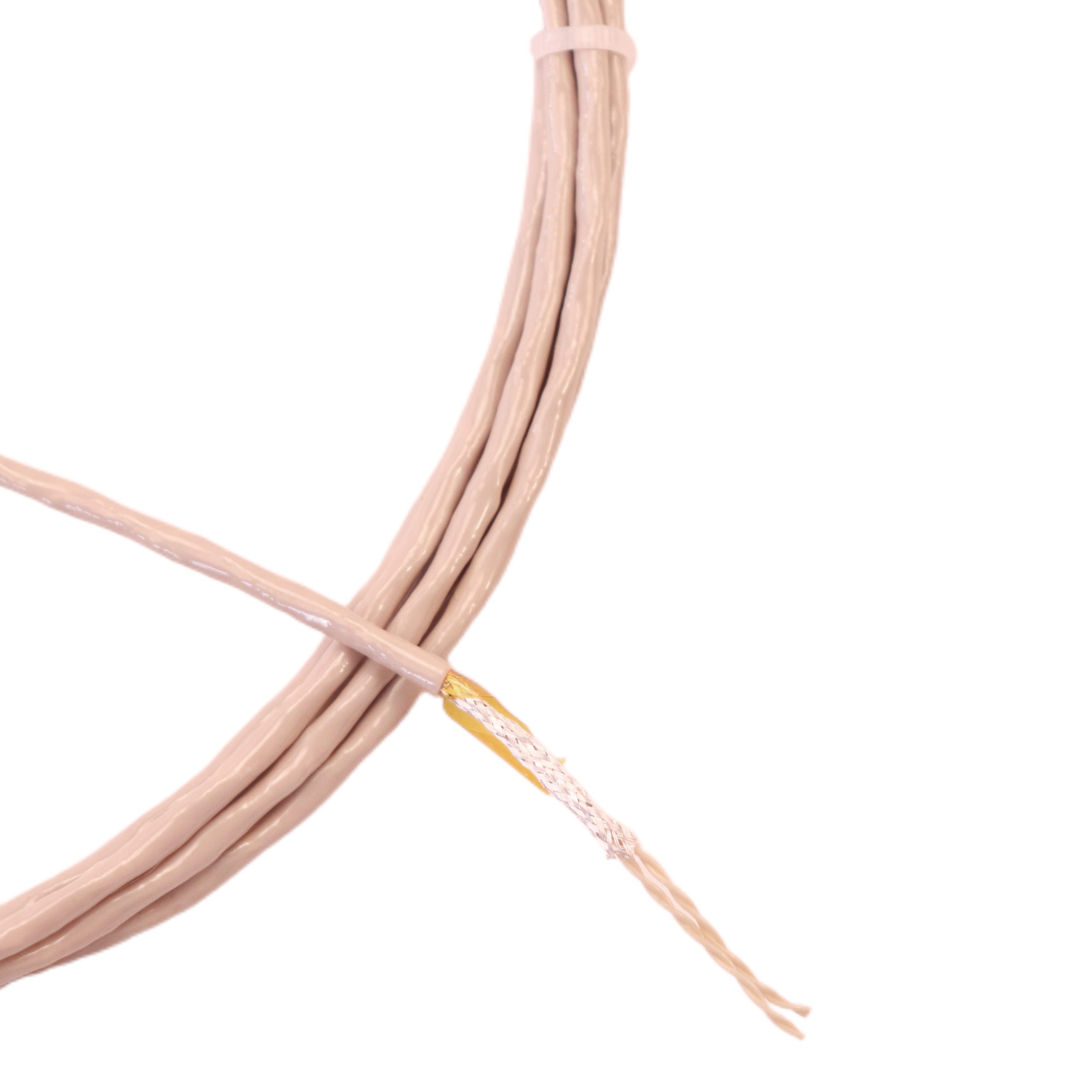
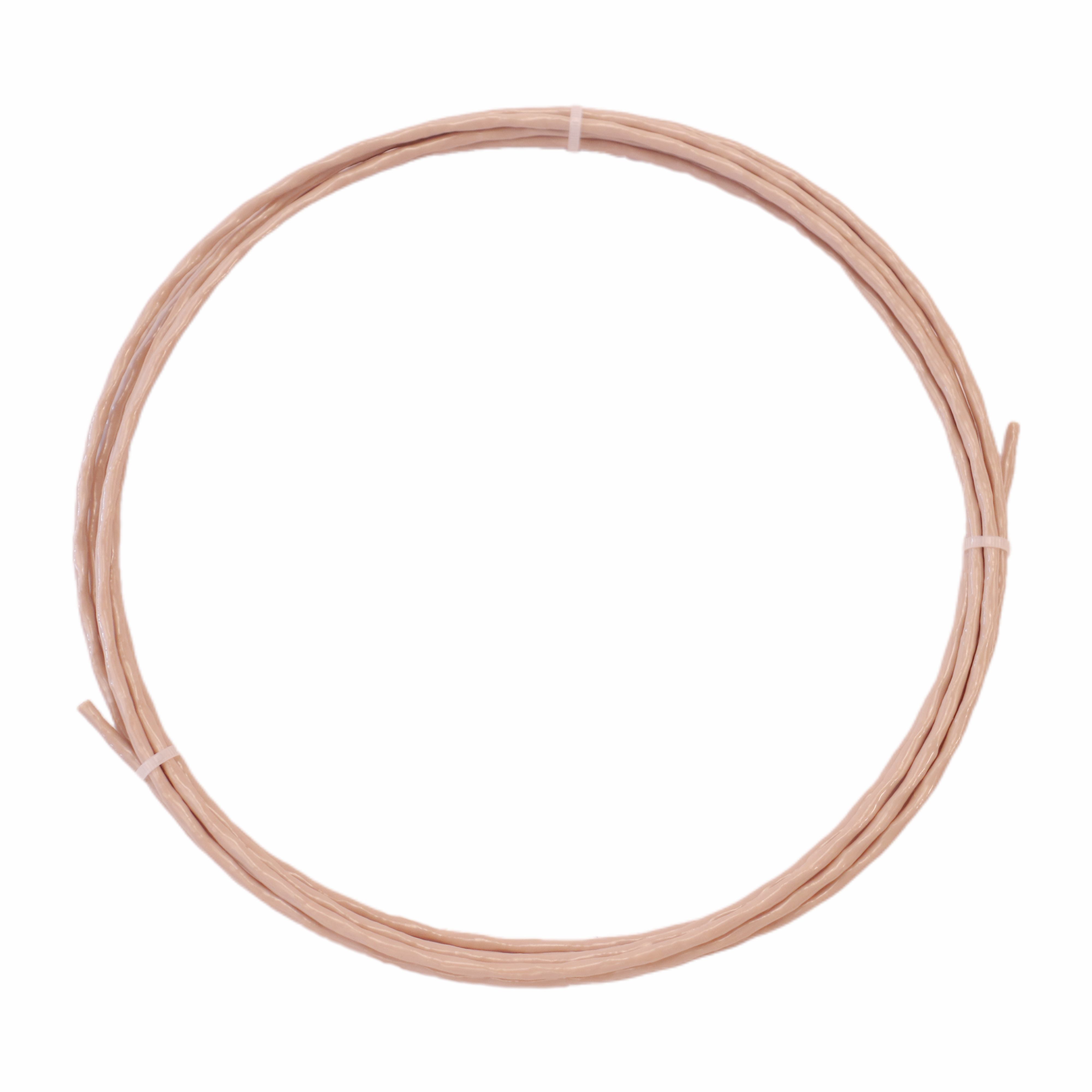
Ultra-low Temperature PEEK Cable
PEEK Special Insulated Cable Product Manual
1. Product Overview
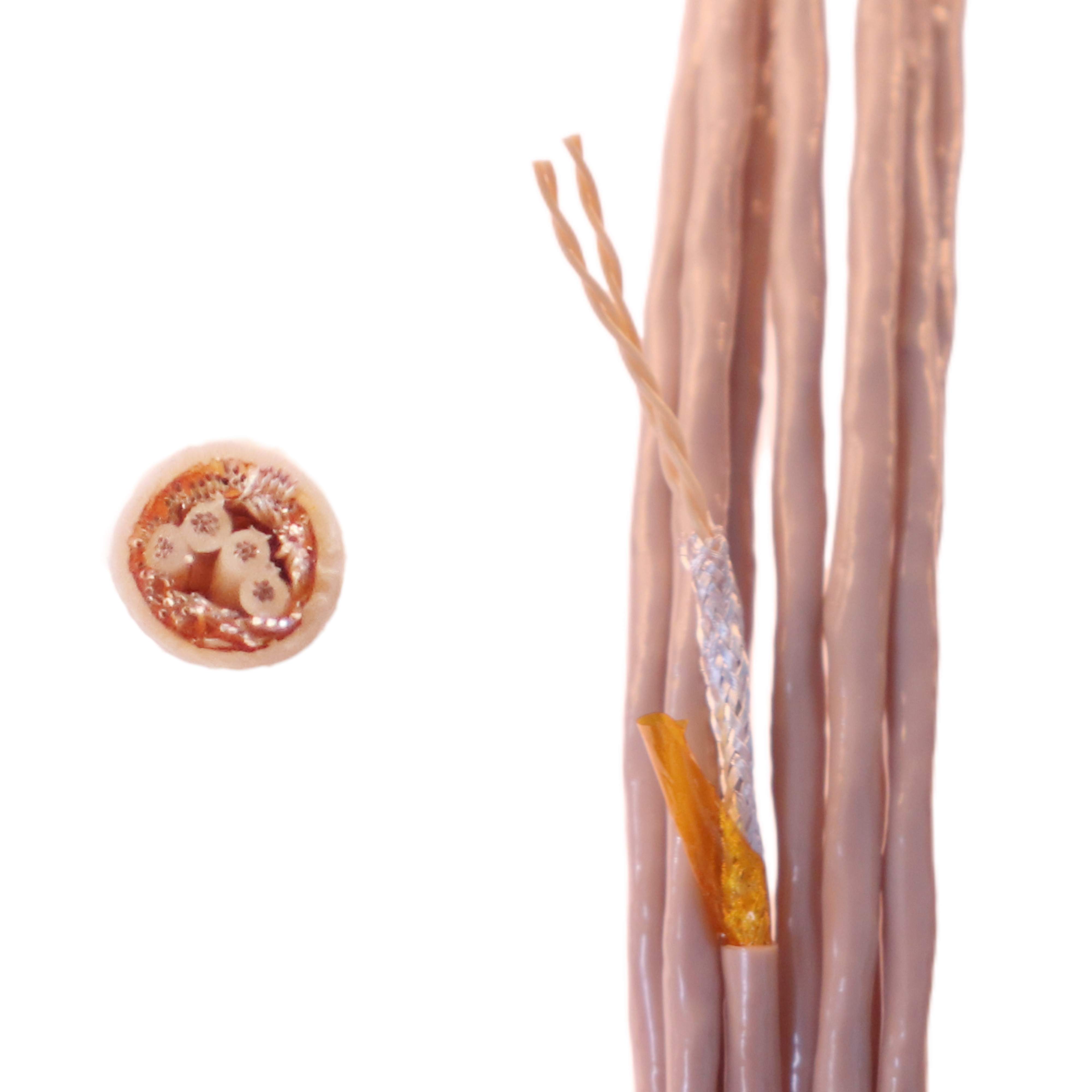
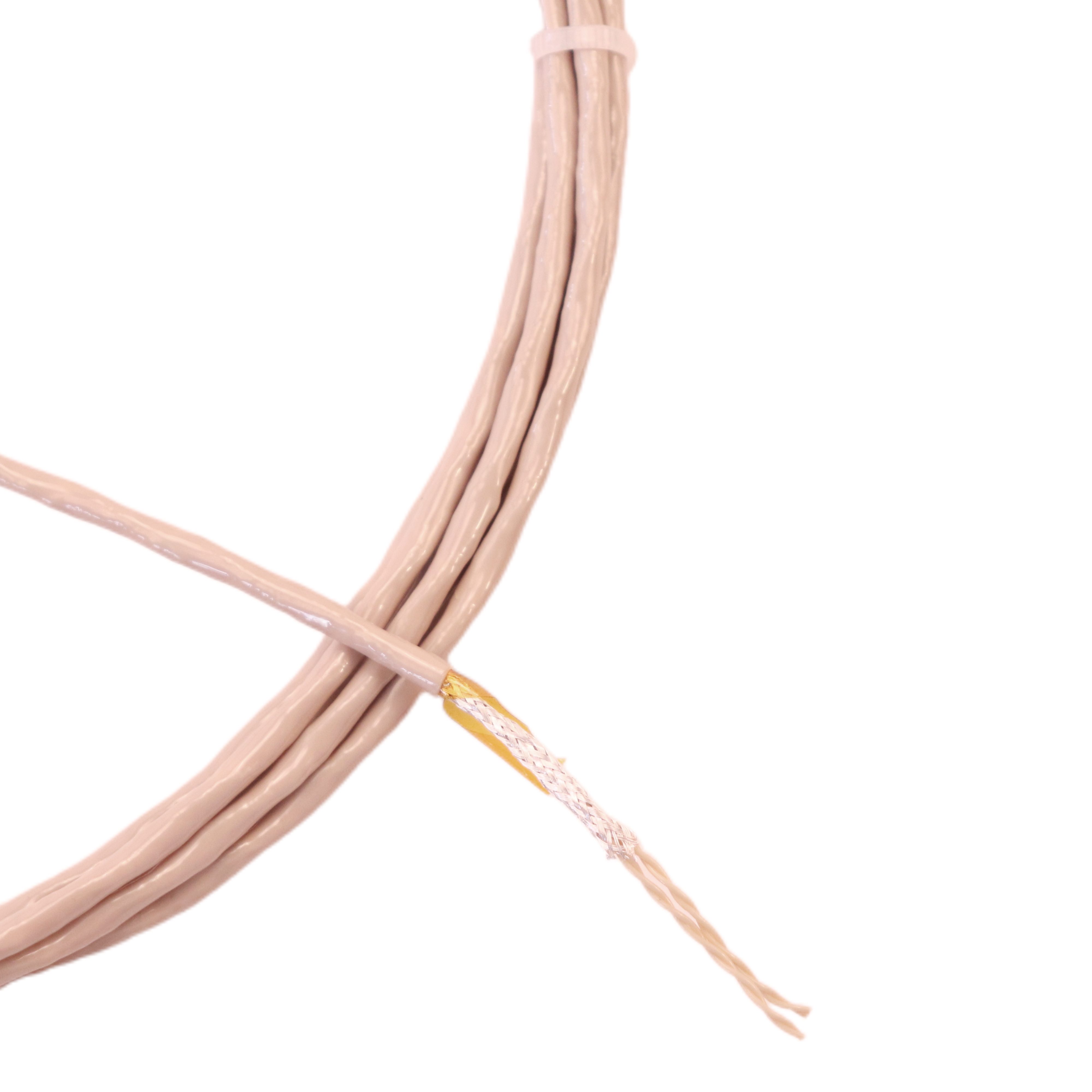
This range of special‑purpose cables adopts polyether‑ether‑ketone (PEEK) for insulation and sheath, paired with tinned or silver‑plated conductors. Boasting prominent lightweight merits, the cables weigh less than fluoroplastic wires. They feature wide‑range temperature resistance, halogen‑free flame retardancy, radiation resistance and seawater‑corrosion resistance, and are engineered for long‑term service under extreme working conditions including airborne equipment, nuclear‑power facilities, oil‑gas installations, naval vessels and high‑temperature precision electronics.
2. Primary Application Fields
Air‑borne on‑board wiring, submersible oil‑pump winding wires for oil‑gas service, wiring inside nuclear‑plant radiation zones, cabling for naval vessels and high‑speed locomotives, connecting wires for high‑temperature precision instruments
3. Key Cable Specifications
Parameter Category | Specification Details |
Temperature Resistance | Continuous operating temperature: ‑100 °C ~ 250 °C; short‑time peak temperature: 260 °C |
Electrical Properties | Rated voltage: 300 V / 600 V; dielectric constant 3.2; stable insulating performance over broad temperature range and low signal attenuation under high‑temperature environments |
Mechanical Properties | Tensile strength >100 MPa; abrasion‑resistance cycle>10000; standard bending radius 6D (customisable) |
Conductor Configuration | Tinned copper, silver‑plated copper or alloy‑copper conductor; wire gauge 32 AWG‑18 AWG; core quantity: 1‑48 cores |
Flame Retardancy & Environmental Compliance | UL94 self‑extinguishing rating, EN45545‑2 HL3 fire‑safety grade, halogen‑free and low‑smoke, RoHS compliant |
Environmental Endurance | Resistant to seawater, acid‑alkali media and 300 °C steam; water‑absorption rate 0.5 %; capable of withstanding 850 kGy gamma radiation for nuclear‑energy applications |
4. Manufacturing Process Advantages
Special‑purpose high‑temperature PEEK extrusion equipment guarantees stable production capacity. Customisation is available for all sizes, shielded constructions and flat cables. The integrated extrusion technique prevents delamination and cracking. Silver‑plated conductor variants are tailored for high‑frequency precision signal transmission.
5. Frequently Asked Questions
Q1. What advantages do PEEK cables possess compared with high‑temperature fluoroplastic wires? A: Reduced weight, superior nuclear‑radiation resistance, higher fire‑resistance rating, minor insulation performance degradation above 200 °C and extended service lifespan.
Q2. Are the cables suitable for long‑term submersion in seawater and exposure to high‑temperature steam? A: Yes. PEEK exhibits extremely low water absorption. It resists seawater and 300 °C high‑pressure steam. Double‑layer PEEK shielding protects conductors against corrosion.
Q3. How to select between tinned‑copper and silver‑plated‑conductor cables? A: Tinned‑conductor cables deliver cost‑effective performance for general‑purpose power and low‑frequency circuits. Silver‑plated conductors feature low electrical resistance and outstanding anti‑oxidation property for high‑frequency precision aviation‑grade equipment.
Q4. Is sample customisation supported and what is the minimum available gauge? A: Low‑volume prototyping service is offered. The smallest conductor gauge is 32 AWG; maximum single‑core gauge reaches 18 AWG and multi‑core assemblies can contain up to 48 cores. Contact us for quotation and lead‑time information.
6. Procurement Inquiry Instructions
Please inform our team of your operating‑temperature requirements, radiation or water‑immersion working conditions, part number, conductor specifications and purchase quantity. We will supply engineering drawings, product samples and accurate quotations accordingly.