Top Background Image
High-Speed Differential Cables: The Backbone of Reliable High-Frequency Data Transmission High-Speed Differential Cables: The Backbone of Reliable High-Frequency Data Transmission

High-Speed Differential Cables: The Backbone of Reliable High-Frequency Data Transmission


In the era of 5G, AI computing, and cloud infrastructure, the demand for high-speed, low-latency data transmission is growing exponentially. High-speed differential cables stand out as critical components that bridge the gap between performance and reliability, enabling seamless signal transfer across a wide range of high-tech applications. From data centers to industrial automation, these cables are the unsung heroes powering the digital transformation of global industries.

What Are Twinaxial Cable?

Unlike traditional single-ended cables, high-speed differential cables transmit data via two parallel conductors carrying equal-amplitude, out-of-phase signals. This unique topology leverages the principle of common-mode noise rejection: external electromagnetic interference (EMI) couples equally to both conductors, and the receiving end eliminates such noise by detecting the differential voltage between the two lines. The outcome is exceptional signal integrity (SI), minimal crosstalk, and low electromagnetic radiation—core attributes for high-frequency data transmission exceeding 155Mbps.
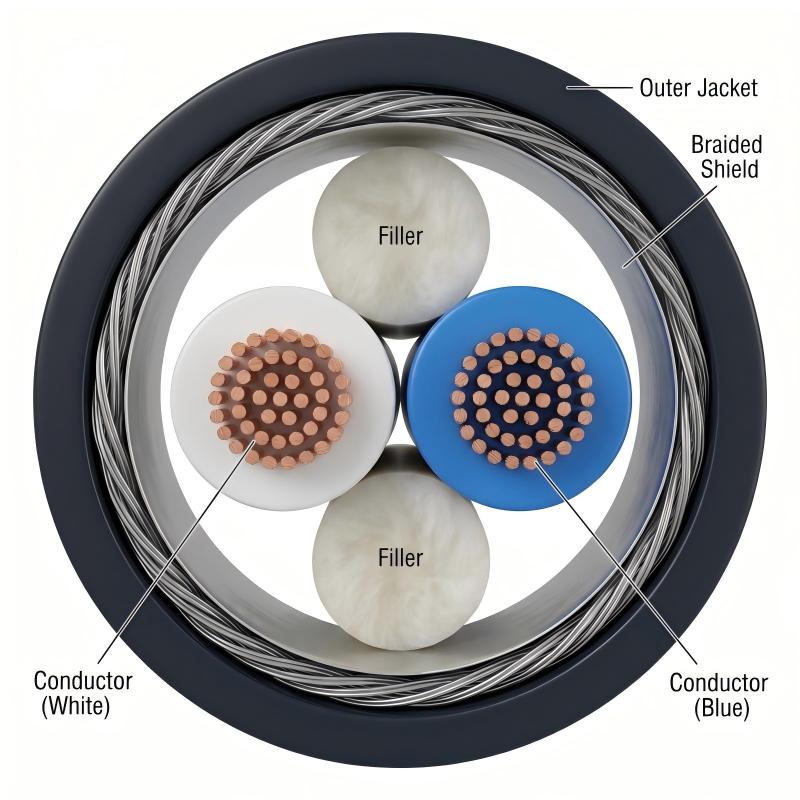
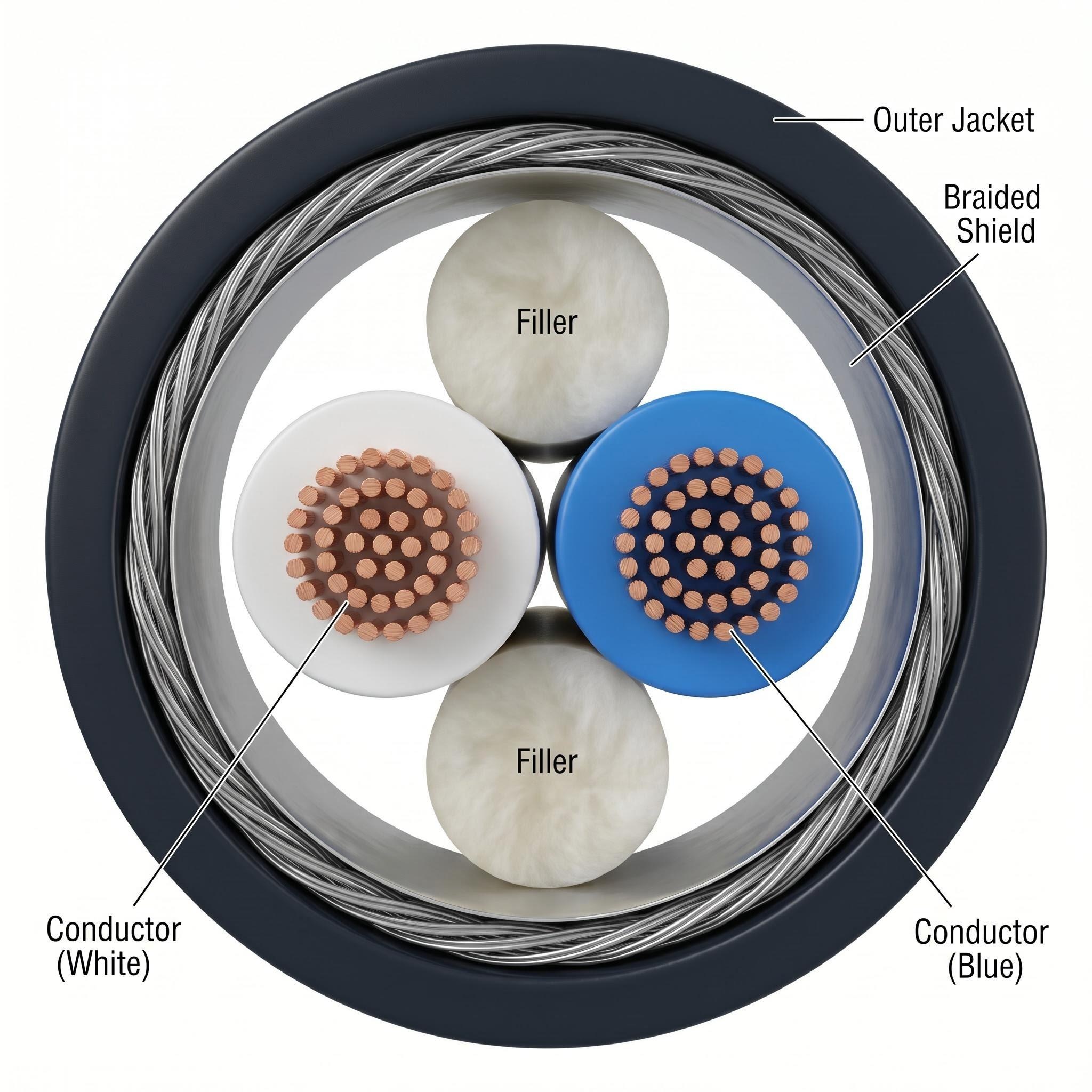
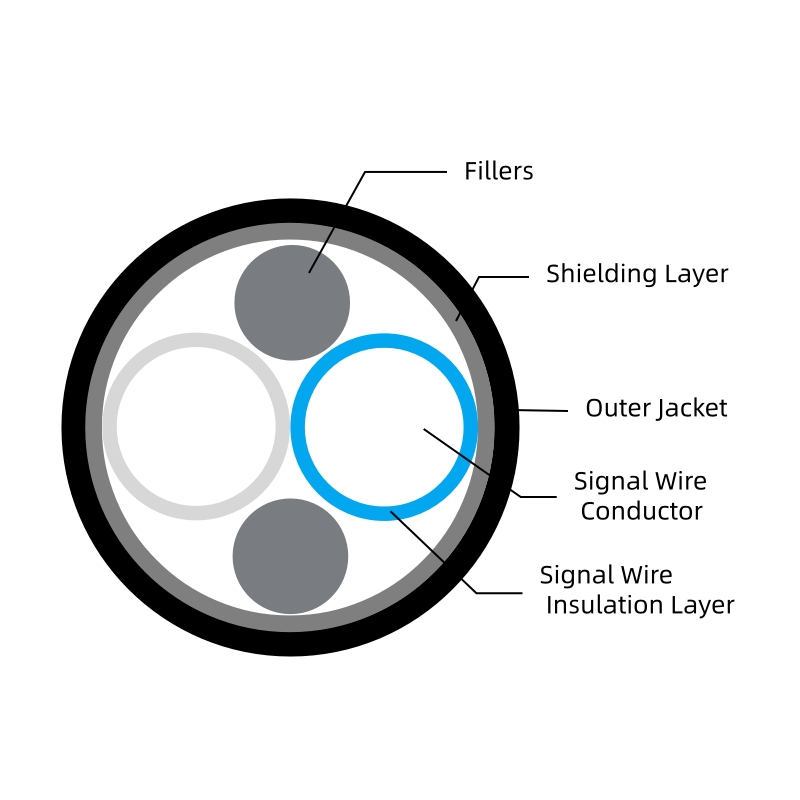
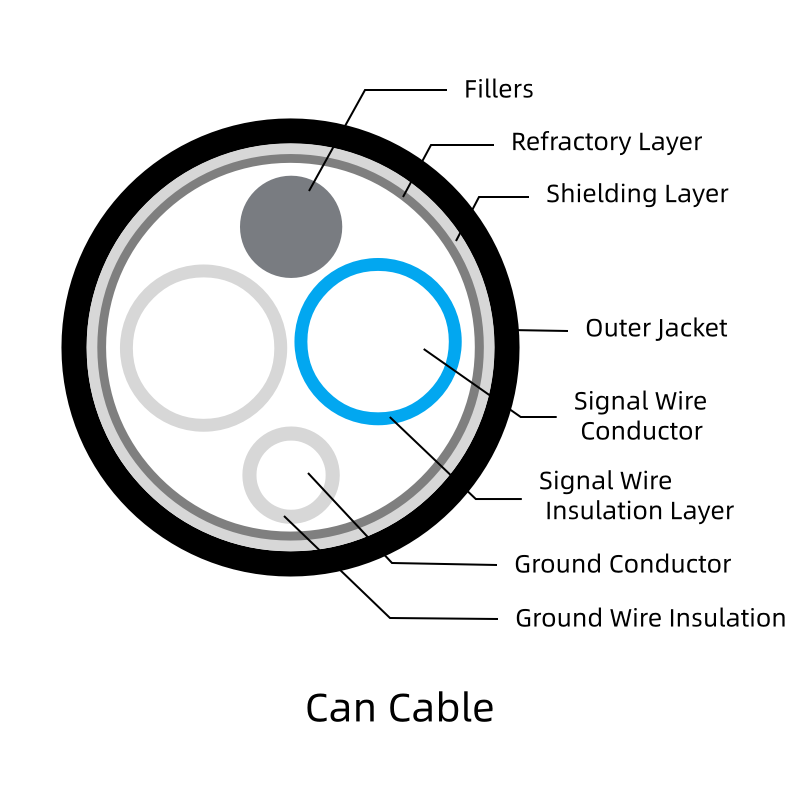
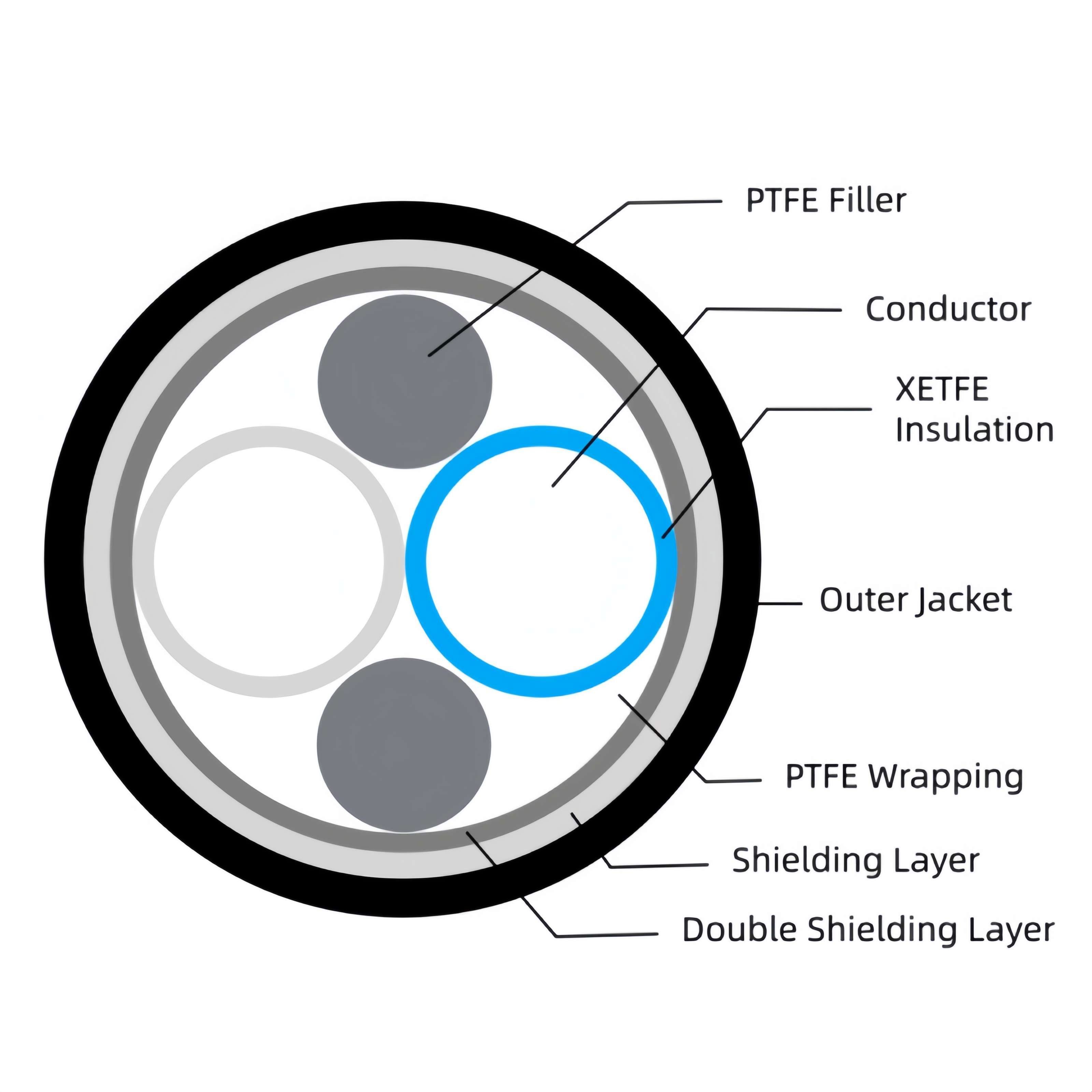
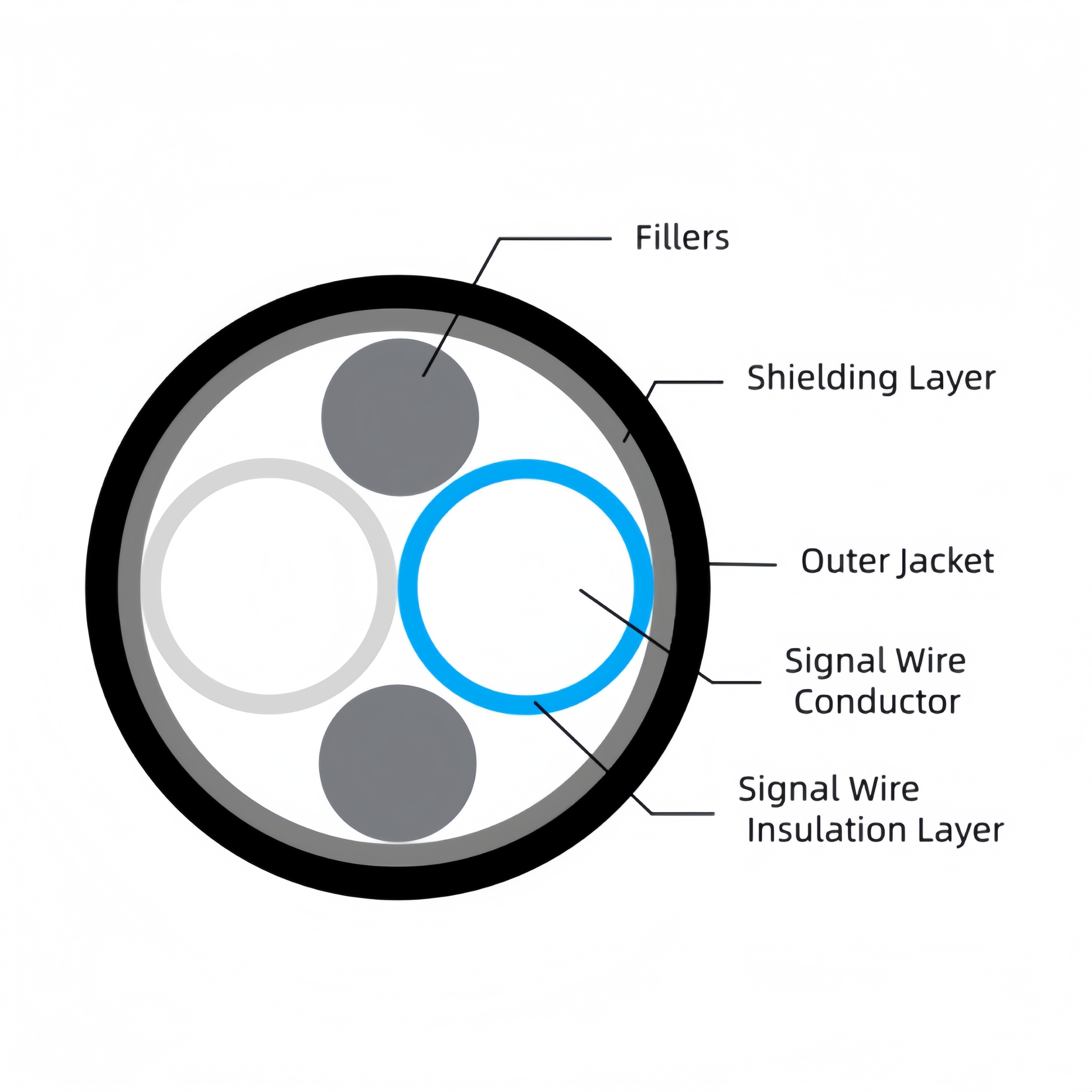
Core structural components comprise precision-plated conductors (typically silver-plated copper for enhanced conductivity and signal fidelity), low-dielectric-loss insulators (such as PTFE/Teflon or foamed dielectric materials), multi-layer shielding configurations (braided metal, foil, or combination shielding for EMI mitigation), and rugged outer jackets. These elements synergize to maintain stable characteristic impedance (typically 85Ω, 90Ω, or 100Ω, per application requirements) and minimize insertion loss, ensuring consistent performance even in harsh operating environments.

Key Technical Advantages

High-speed differential cables outperform conventional cables in three critical areas, making them indispensable for high-performance systems:
  • Superior Signal Integrity: By design, differential signaling mitigates interference and reduces signal reflection induced by impedance mismatches. This guarantees ultra-low bit error rates (BER) even at extreme data rates, supporting single-channel speeds up to 224Gbps and aggregated bandwidths of 1.6Tbps for next-generation networking and computing devices .

  • Robust EMI/EMC Performance: Multi-layer shielding and optimized differential pair twisting effectively suppress near-end crosstalk (NEXT), far-end crosstalk (FEXT), and electromagnetic radiation, fully complying with international EMI/EMC standards (e.g., CISPR, IEC 61000). This renders them ideal for high-density deployments such as data center server racks and telecom cabinets .

  • Broad Environmental Resilience: Fabricated with high-grade materials, these cables deliver reliable operation across extreme temperature ranges (-40°C to +80°C), high humidity, and vibration-intensive scenarios. Specialized variants (high-temperature, radiation-hardened, and chemical-resistant) meet the stringent requirements of aerospace, medical, and industrial control applications .


Quick Inquiry